
What is the Cost of Building a Mobile App in India?
What is the cost of building a mobile app in India?
The cost of building a mobile app in India depends on app complexity, features, platform selection, backend infrastructure, UI/UX design, integrations, and scalability requirements.
Simple MVP applications may cost a few lakh rupees, while enterprise-grade mobile platforms with AI capabilities, real-time infrastructure, and advanced integrations can require significantly higher investment.
This guide explains mobile app development costs in India, factors affecting pricing, hidden expenses, and how businesses can reduce development costs effectively.
Why Businesses Build Mobile Apps in 2026
Businesses build mobile apps to increase customer retention, automate operations, enable online transactions, and improve digital accessibility.
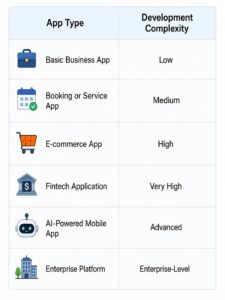
Why Does Mobile App Development Cost Vary?
Application requirements vary significantly depending on business goals, integrations, scalability expectations, and user experience requirements.
For example:
- A simple appointment booking app requires limited functionality.
- A food delivery app needs GPS tracking, payment gateways, and real-time notifications.
- A fintech app requires advanced security and compliance systems.
Applications with real-time infrastructure, payment processing, live synchronization, and advanced integrations naturally require more development resources and backend planning.
What Affects Mobile App Development Cost in India?
The overall cost of building a mobile app in India depends on:
- App complexity
- Features and integrations
- Android, iOS, or cross-platform development
- UI/UX design requirements
- Backend infrastructure
- Security and scalability needs
- Development team expertise
- Long-term maintenance and updates
Features and Functionalities
Advanced functionality increases backend complexity, testing requirements, infrastructure planning, and long-term maintenance effort.
Features that impact app development pricing include:
- GPS and maps
- Payment gateways
- Chat systems
- Video calling
- Push notifications
- AI chatbots
- Multi-language support
- Admin dashboards
For instance, integrating live tracking in a logistics app requires backend infrastructure and real-time database synchronization, which increases development effort.
Features That Increase Development Complexity
Features such as real-time tracking, AI chatbots, payment gateways, video streaming, multi-user systems, analytics dashboards, and cloud synchronization usually require advanced backend architecture and longer development cycles.
UI/UX Design
A good user experience improves app retention and engagement.
UI/UX design cost depends on:
- Number of app screens
- Custom animations
- Interactive elements
- Brand-focused design
Custom interfaces often require deeper UX research, interaction design, branding consistency, and advanced frontend implementation.
Businesses today invest heavily in UI/UX because poor design can reduce user retention.
Which Platform is Better: Android, iOS, or Hybrid?
Platform selection influences development workflows, testing requirements, deployment strategies, maintenance effort, and long-term scalability planning.
Android App Development
Android dominates the Indian market and supports a wide range of devices.
iOS App Development
iOS apps require optimized performance and testing for Apple devices.
Hybrid or Cross-Platform Development
Frameworks like Flutter and React Native allow developers to build one codebase for Android and iOS.
Benefits include:
- Faster development
- Lower maintenance cost
- Reduced testing effort
Many startups choose hybrid apps to reduce initial investment. At BrainyDX, many businesses prefer cross-platform app development because it helps accelerate product launches while simplifying long-term maintenance.
Why Startups Prefer Cross-Platform App Development
Many startups choose Flutter or React Native because cross-platform frameworks simplify maintenance, reduce development duplication, accelerate MVP launches, and improve scalability across Android and iOS ecosystems.
What Businesses Often Underestimate During App Development
Many businesses focus only on app design and frontend development while underestimating backend scalability, security architecture, API integrations, cloud infrastructure, performance optimization, and long-term maintenance requirements.
Which is better: Freelancers or an App Development Agency?
The development approach you choose affects communication workflows, scalability, technical quality, maintenance capabilities, and long-term project stability.
Freelancers
Freelancers are budget-friendly but may lack:
- Scalability
- Dedicated testing
- Long-term support
In-House Team
Building an internal team involves:
- Salaries
- Office setup
- Software tools
- Training expenses
Mobile App Development Agency
A professional app development company India provides:
- Developers
- UI/UX designers
- QA engineers
- Project managers
- Maintenance support
Agencies are often more reliable for long-term projects.
Why India is a Popular Destination for Mobile App Development
India has become a preferred destination for startups and enterprises because of its experienced developer ecosystem, scalable development teams, strong technical expertise, and ability to deliver modern applications across multiple industries including fintech, healthcare, logistics, SaaS, and e-commerce.
Example: E-commerce App Development Complexity
E-commerce mobile applications usually require multiple integrated systems including user authentication, product catalogs, payment gateways, inventory management, order tracking, push notifications, analytics dashboards, and scalable backend infrastructure.
Advanced e-commerce platforms may also include AI-based product recommendations, multi-vendor functionality, cloud synchronization, real-time inventory management, and personalized shopping experiences, which significantly increase development complexity and infrastructure requirements.
Many startups begin with MVP e-commerce applications containing essential features and scale functionality based on customer behavior and market demand.
Businesses reduce the initial cost to develop an app by first launching an MVP version with essential e-commerce features and scaling later based on customer feedback.
How Businesses Reduce Mobile App Development Expenses
Start with an MVP
Many startups launch MVP applications first to validate demand before scaling features and infrastructure.
Prioritize Core Features
Focusing on essential functionality during the first release helps businesses accelerate launch timelines and reduce unnecessary development complexity.
Choose Scalable Technologies
Frameworks like Flutter and cloud-native backend systems help simplify maintenance and future scalability.
Mobile App Development Process
Planning and Research
This stage includes:
- Market research
- Competitor analysis
- Business requirement gathering
- Technical architecture planning
Strong planning helps businesses reduce development risks and scalability issues later.
UI/UX Design
This phase focuses on:
- Wireframes
- User journey mapping
- Interactive prototypes
- Brand-focused visual experiences
Well-designed interfaces improve user retention and engagement.
App Development
This is the core implementation phase involving:
- Frontend development
- Backend systems
- APIs and integrations
- Database architecture
- Security implementation
Development complexity depends heavily on app functionality and scalability requirements.
Testing and Quality Assurance
Testing helps ensure:
- Performance optimization
- Device compatibility
- Bug resolution
- Security validation
- Stable user experience
Poor testing often results in app crashes, security issues, and low retention rates.
Maintenance and Scalability
After launch, applications require:
- Feature updates
- Security improvements
- Infrastructure optimization
- OS compatibility maintenance
- Performance monitoring
Long-term scalability planning is essential for growing applications.
Hidden Costs Businesses Often Ignore
Many businesses underestimate additional expenses beyond development.
Third-Party Integrations
Services like:
- Payment gateways
- SMS APIs
- Cloud hosting
- Analytics tools
may involve monthly or yearly charges.
App Store Fees
Publishing charges include:
- Google Play Store registration fee
- Apple App Store annual developer fee
Marketing and User Acquisition
Launching an app is only the beginning.
Businesses also invest in:
- App Store Optimization (ASO)
- SEO
- Paid advertising
- Social media marketing
Without marketing, even a well-built app may struggle to gain users.
Why Choose India for Mobile App Development?
India has become a global technology hub for startups and enterprises.
Cost Efficiency
Businesses receive quality development services at lower costs compared to Western markets.
Skilled Talent Pool
India has experienced:
- Android developers
- iOS developers
- Flutter experts
- UI/UX designers
Many teams follow international coding and security standards.
Scalability
An experienced app development company can quickly scale projects by adding developers and technical resources.
Prioritize Important Features
Avoid adding unnecessary features during the first launch.
Focus on:
- Core functionality
- User experience
- App performance
Additional features can be added later.
Choose the Right Tech Stack
Cross-platform frameworks like Flutter reduce:
- Development time
- Maintenance effort
- Testing costs
This is ideal for startups targeting both Android and iOS users.
Hire the Right Development Partner
Choosing the cheapest option often results in:
- Delays
- Poor code quality
- Higher long-term expenses
Mobile App Development Trends in 2026
In 2026, businesses are increasingly focusing on:
- AI-powered mobile applications
- Cross-platform app development
- Faster MVP launches
- Cloud-native infrastructure
- Scalable backend systems
- Personalized user experiences
- Automation and AI chat integrations
Frameworks like Flutter and React Native continue to grow because they reduce development complexity and improve deployment speed across platforms.
Conclusion
Mobile app development costs in India depend on application complexity, features, backend systems, integrations, security requirements, infrastructure planning, and long-term scalability goals. Businesses that prioritize core functionality and start with MVP development can reduce initial investment while scaling efficiently over time.
Simple applications require fewer technical resources, while enterprise-grade platforms demand advanced infrastructure, integrations, and scalability planning.
India continues to be a leading destination for mobile app development because of:
- Cost efficiency
- Skilled developers
- Scalability
- Modern technology expertise
Before starting your project:
- Define your business goals
- Prioritize essential features
- Start with an MVP
- Work with an experienced development partner
Build Scalable Mobile Applications with BrainyDX
At BrainyDX, we help startups and businesses develop scalable mobile applications focused on performance optimization, seamless user experiences, long-term maintainability, and sustainable digital growth. Our expertise includes Android development, iOS applications, Flutter app development, MVP launches, UI/UX design, and enterprise-grade mobile solutions tailored to modern business requirements.