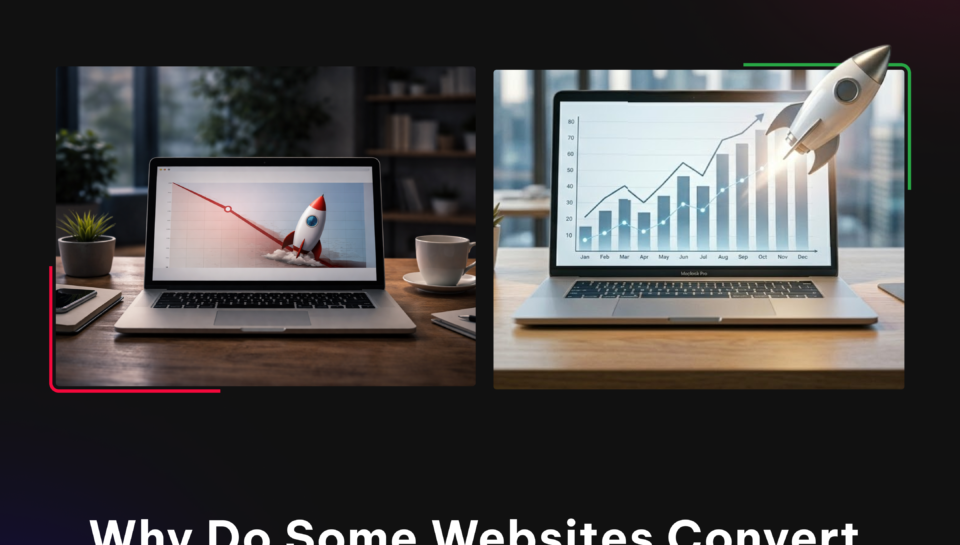
Why do some websites convert better than others?
Why do some websites convert better than others?
In today’s digital world, having a website is essential for businesses, but simply attracting visitors is not enough. The real success of a website depends on its ability to convert visitors into customers, leads, or subscribers. Many websites receive a large amount of traffic but fail to generate meaningful results because they lack the elements needed to guide users toward taking action. On the other hand, some websites consistently achieve high conversion rates because they are designed with a clear strategy focused on user experience, trust, and engagement.
Website conversion depends on several factors including design, content quality, loading speed, and effective call-to-action strategies. Businesses that invest in optimizing these elements can significantly improve their online performance. Companies like BrainyDX focus on building websites that not only attract visitors but also convert them into valuable customers through strategic design, digital marketing, and user-focused experiences.
Understanding why some websites convert better than others helps businesses identify the gaps in their online presence and implement improvements that lead to higher engagement and better business results. In this article, we will understand the key factors that influence website conversion and what makes certain websites perform better than others.
Clear Value Proposition and Messaging
One of the most important reasons why some websites convert better than others is a clear value proposition. When visitors land on a website, they should immediately understand what the business offers and why it is valuable to them. If a website fails to communicate its purpose clearly, visitors are more likely to leave without exploring further.
A strong value proposition highlights the key benefits of a product or service and explains how it solves a specific problem for the customer. High-converting websites place this message prominently on the homepage, usually in the hero section, along with a clear headline and supporting text.
For example, instead of simply describing a service, a website should explain the results customers can expect. This approach makes the message more relatable and impactful. Businesses that work with professional digital service providers such as BrainyDX often focus on refining their messaging to ensure that visitors immediately understand the brand’s value.
Clear and compelling messaging not only grabs attention but also encourages visitors to stay longer and explore more pages, increasing the chances of conversion.
How Does User-Friendly Website Design and Navigation Impact Conversions?
Another key factor behind high-converting websites is user-friendly design. Visitors should be able to navigate the website easily and find the information they are looking for without confusion or frustration.
A cluttered layout, confusing navigation menus, or poorly structured pages can quickly drive visitors away. On the other hand, websites with clean designs and logical navigation make it easier for users to explore content and understand the services offered.
Important elements of user-friendly design include:
- Simple and organized layouts
- Easy-to-understand navigation menus
- Clear page structure and hierarchy
- Readable fonts and proper spacing
- Visually appealing design elements
When users have a smooth browsing experience, they are more likely to trust the brand and take action. Businesses that prioritize user experience often see higher engagement rates and improved conversions.
A well-designed website not only looks professional but also guides users naturally through the customer journey, from discovering the service to completing a desired action such as filling out a contact form or requesting a consultation.
Why Are Fast Loading Speed and Mobile Optimization Important for Websites?
Website speed plays a critical role in conversion rates. In today’s fast-paced digital environment, users expect websites to load quickly. If a page takes too long to load, visitors often leave before even seeing the content.
Slow websites lead to higher bounce rates and reduced engagement, which ultimately affects conversions. Search engines also prioritize faster websites in their rankings, making speed optimization important for both user experience and SEO.
High-converting websites ensure optimal performance by:
- Compressing images and media files
- Using efficient website hosting
- Minimizing unnecessary scripts and plugins
- Optimizing website code
In addition to speed, mobile optimization is equally important. A large percentage of users now browse websites through smartphones and tablets. Websites that are not mobile-friendly may appear distorted or difficult to navigate on smaller screens.
Responsive design ensures that the website automatically adjusts to different screen sizes, providing a seamless experience for mobile users. Businesses that focus on speed and mobile optimization often experience better engagement and improved conversion rates.
How Does a Strong Call-to-Action (CTA) Strategy Improve Conversions?
One of the biggest differences between a high-converting website and a poorly performing one is the effectiveness of its call-to-action (CTA). A CTA guides visitors toward the next step they should take after viewing the content.
Without clear CTAs, visitors may leave the website without taking any action because they are unsure what to do next. High-converting websites strategically place CTAs throughout their pages to encourage engagement.
Examples of effective CTAs include:
- Get a Free Consultation
- Start Your Project Today
- Contact Our Team
- Download Our Guide
The design and placement of CTAs also matter. They should be visually noticeable and placed in key areas such as:
- The homepage banner
- Service pages
- Blog articles
- Landing pages
A well-crafted CTA motivates visitors to take action and helps move them further along the customer journey. Businesses that implement clear and persuasive CTAs often see a significant increase in leads and conversions.
Trust Signals and High-Quality Content
Trust plays a major role in whether visitors decide to engage with a website. High-converting websites include various elements that build credibility and reassure potential customers.
Common trust signals include:
- Customer testimonials
- Client reviews
- Case studies
- Industry certifications
- Security badges
- Client logos
These elements show visitors that the business is reliable and experienced. When people see positive feedback from other customers, they are more likely to trust the brand and move forward with a purchase or inquiry.
Another important factor is high-quality content. Informative blog posts, detailed service pages, and helpful resources provide value to visitors while showcasing the company’s expertise.
Content that answers user questions and solves problems can attract organic traffic from search engines and keep visitors engaged on the website. Businesses that consistently publish useful and SEO-optimized content strengthen their authority in their industry.
Digital service providers like BrainyDX often focus on combining strategic content marketing with website optimization to create platforms that attract, educate, and convert visitors effectively.
Conclusion
The difference between websites that convert well and those that struggle lies in strategy, user experience, and optimization. High-converting websites focus on delivering clear messaging, intuitive design, fast performance, and strong calls-to-action that guide visitors through the customer journey.
Additionally, trust-building elements and high-quality content play an essential role in encouraging visitors to take action. Businesses that continuously analyze their website performance and make improvements based on user behavior are more likely to achieve better results.
By investing in professional website design, SEO, and digital marketing strategies, businesses can turn their websites into powerful tools for growth. Working with experienced digital solution providers such as BrainyDX helps organizations create optimized websites that not only attract visitors but also convert them into loyal customers and long-term clients.